Introduction
In today's increasingly competitive retail landscape, relevance has become one of the most valuable drivers of customer engagement. Consumers expect experiences tailored to their preferences, behaviours, and needs and brands that fail to meet those expectations risk being overlooked.
The Opportunity for Change
Despite maintaining a strong customer database and an active email marketing program, performance had begun to plateau.Communications were largely distributed across broad audience groups, resulting in experiences that felt generic and disconnected from individual customer needs. Engagement rates had slowed, conversion opportunities were being missed, and the business recognised the need to create more relevant interactions that aligned with changing customer expectations. The opportunity wasn't simply to send more emails—it was to make every interaction more meaningful.
Building the Foundation
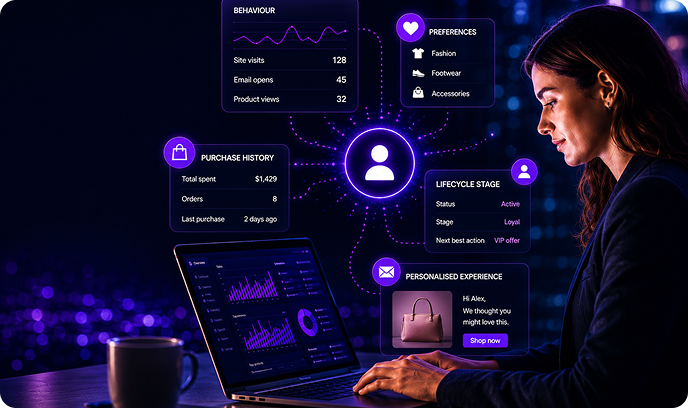
A successful personalisation strategy begins with understanding the customer.The first step focused on establishing a unified view of customer data across multiple touchpoints. By connecting behavioural, transactional, and engagement data, the retailer gained deeper visibility into customer preferences, purchase intent, and lifecycle behaviours.This stronger data foundation enabled more informed decision-making and created the infrastructure required to support scalable personalisation initiatives.
Understanding the Audience
The retailer adopted a behavioural segmentation strategy, grouping customers based on engagement, purchasing habits, and lifecycle stage.This enabled more relevant communications and a deeper understanding of customer needs.
Designing the Journey
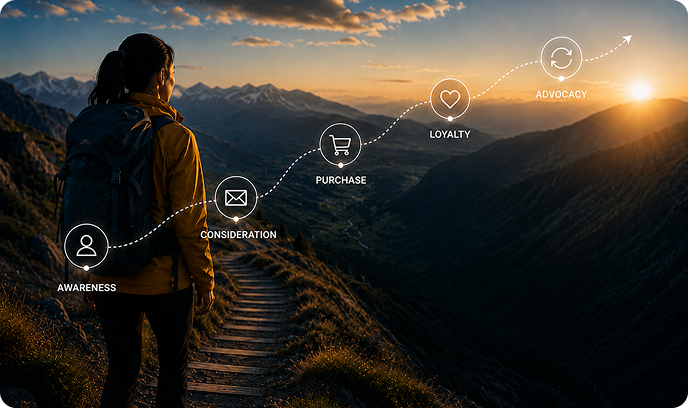
Customer journeys were redesigned to deliver the right message at the right moment. Automated lifecycle campaigns supported customers through onboarding, product discovery, repeat purchases, and retention—creating more relevant experiences across every stage of the journey.
Delivering Relevant Experiences
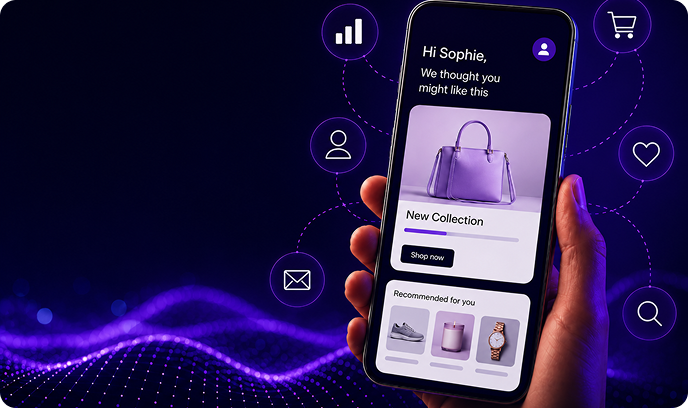
Personalised content became the foundation of every interaction. Dynamic content, behavioural recommendations, and tailored messaging allowed communications to reflect individual customer preferences, interests, and behaviours.
The Results
The personalisation strategy delivered measurable business impact. By creating more relevant customer experiences, the retailer achieved a 25% increase in email-generated revenue while improving engagement, conversions, and overall campaign performance.
Key Takeaways
This project demonstrated the value of relevance. By combining customer data, audience insights, and personalised experiences, the retailer transformed email into a powerful driver of engagement, loyalty, and revenue growth.